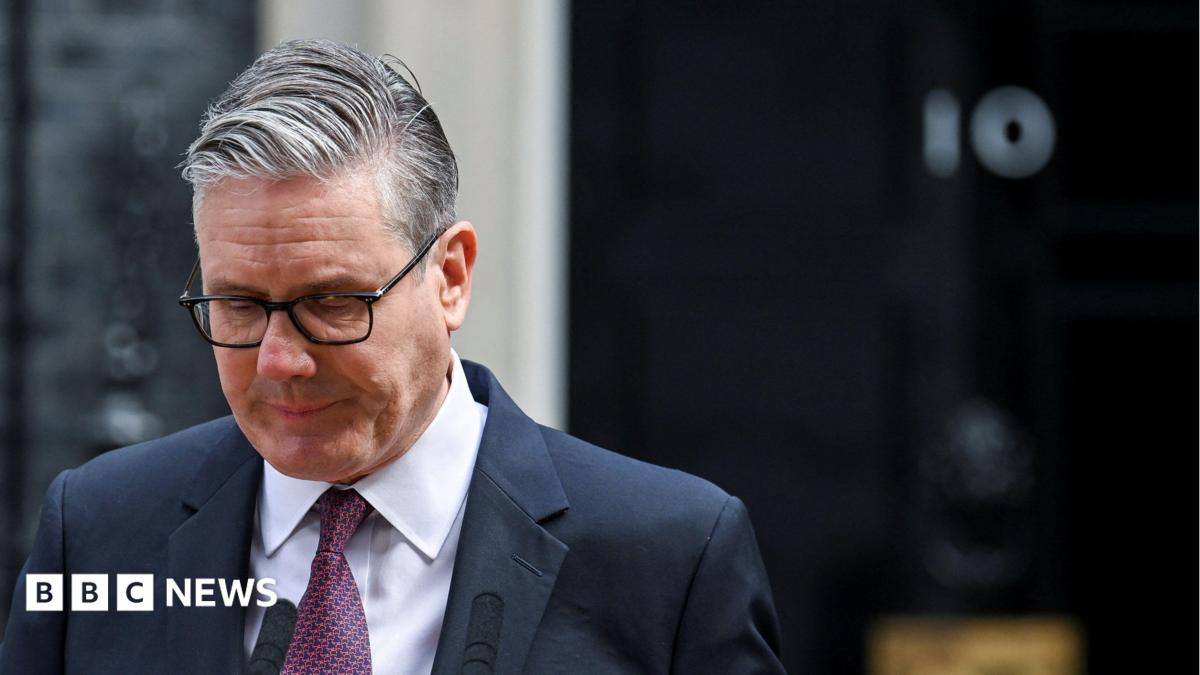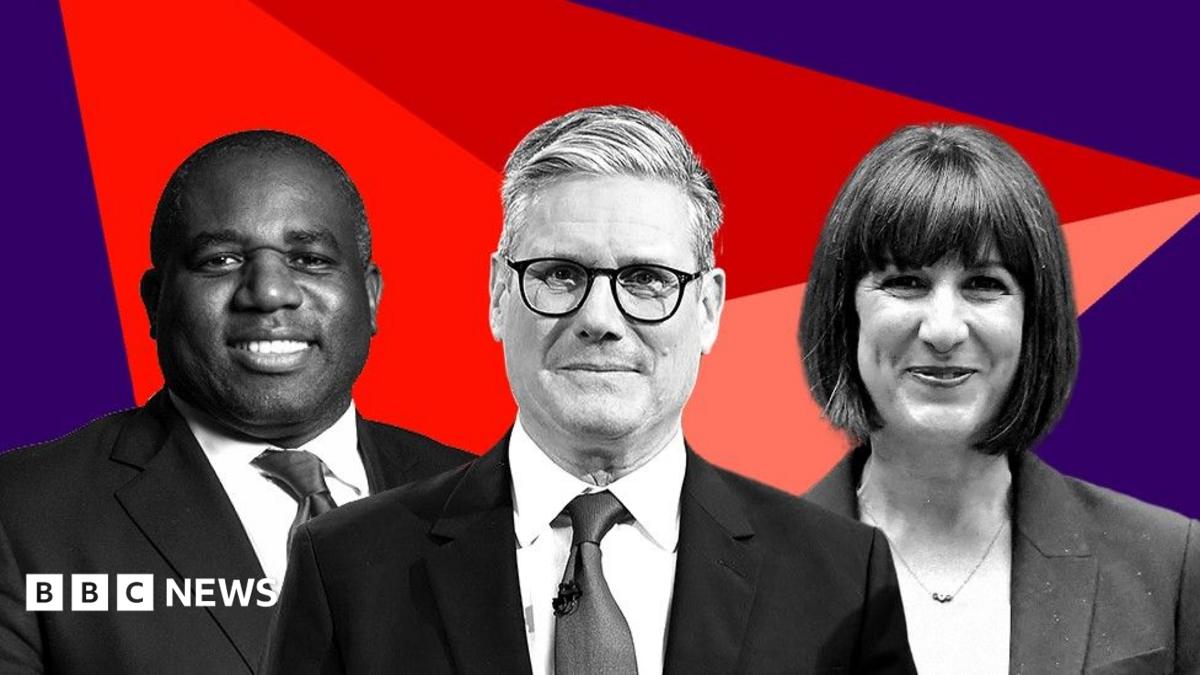
Sir Keir Starmer has resigned as prime minister and leader of the Labour Party after pressure from within his party for him to stand down.
He says he will stay in office until the party chooses a new leader, before Parliament returns in September.
Sir Keir became the first Labour leader to oust a sitting Conservative government since Tony Blair’s landslide victory in 1997, when he led the party to its 2024 general election victory.
He said his successor would be inheriting a Britain that is stronger and fairer than two years ago. During his time in office the government has reduced NHS waiting lists and brought investment into the country – but the prime minister had also been forced into U-turns on welfare reform and plans to end winter fuel payments for most pensioners.
On the world stage he won praise for his dealings with US President Donald Trump and his continued support for Ukraine, although he faced pressure from some in Labour to be more critical of Israel over Gaza. However, his focus on global threats, and attempts to stabilise relations with Trump, led to criticism of him as “Never here Keir”.
He came under repeated fire for a robotic communication style that failed to cut through with the public as well as overseeing a merry-go-round of jobs at the top of government.
Starmer trained as a barrister, specialising in human rights cases, and was director of public prosecutions from 2008-13 before becoming the MP for Holborn and St Pancras in north London.
A lifelong Arsenal fan, he frequently describes himself as being from a “working class background” and often refers to the “pebble-dash semi” in Oxted, Surrey, where he grew up and that his dad was a toolmaker and his mum worked as a nurse.